

Vivian La
Climate Solutions ReporterVivian La covers how climate change is impacting northern Michigan communities for IPR through a partnership with Grist.
She previously worked at WBUR in Boston as their environmental reporting fellow, producing radio stories about everything from coastal real estate along rising oceans to non-native creatures called sea squirts. Vivian has also worked for Science Magazine, the Chicago Tribune and Illinois Public Media. Originally from the Chicago suburbs, she graduated from the University of Illinois at Urbana-Champaign with a bachelor's degree in journalism and a minor in biology.
When she's not thinking about climate and environment stories, Vivian enjoys reading and spending time outdoors. Preferably at the same time.
Reach her at vivian.la@interlochen.org.
-
 After attempts to reach a settlement failed this month, Attorney General Dana Nessel says the sale of 13 aging hydroelectric dams could be “very, very dangerous” for Michiganders.
 -
 Wildlife advocates said stripping landmark protections in the federal Endangered Species Act will weaken the law’s power and threaten at-risk species in Michigan. The changes are part of the administration’s broader efforts to reform regulations that it says are an obstacle to energy development.
 -
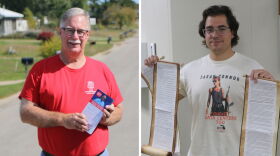 Incumbent John Roth, R-Interlochen, is up against Democrat Mitch Distin and Libertarian Alexander Jarvis for the 104th state House District.
 -
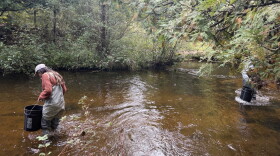 Northern Michigan tribes are releasing Arctic grayling for the second year in a row, in hopes of restoring the native freshwater species. Questions remain about how many have already survived and how to adapt to shifting weather from climate change.
 -
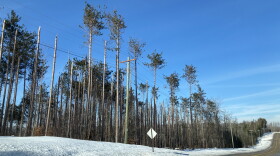 More than a year after the devastating ice storm, some landowners and foresters said they’re frustrated with the lack of movement on work they say is important for the future of northern Michigan’s forests and the economies that depend on them.
 -
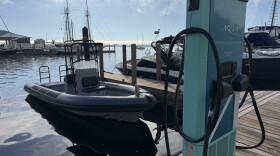 The vessel will be used by students and scientists at the Freshwater Research Innovation Center starting next spring, supported by a state grant that helps the maritime industry transition to clean energy.
 -
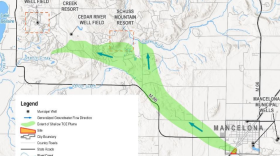 State and local leaders have monitored the contamination from industrial chemicals for more than 20 years. More funding is needed, officials said last week, to provide connections to public drinking water.
 -
 A new millage to support county trails will be on the ballot. Plus, the conservation district and Bay Area Transit Authority are up for a millage renewal.
 -
 The move by tribes follows the Whitmer administration's request for a state agency to review the same permits using new guidance from a Michigan Supreme Court ruling.
 -
 Gov. Gretchen Whitmer said the court ruling directs the state to “more thoroughly scrutinize” the plan to encase a segment of the pipeline in a tunnel buried beneath the Straits of Mackinac — and that should include reviews of permits that were already issued.


