

Maxwell Howard
ReporterMaxwell Howard joined IPR as a full-time reporter in September 2025, but his voice is well known to listeners.
Howard has been a longtime freelance contributor to IPR on a range of topics, including an in-depth look at the challenges facing the Grand Traverse County Jail, the exploration of forgotten ghost towns in Michigan's Upper Peninsula, and profiles of local artists like Harold Kranick — a Charlie Chaplin impersonator who met Chaplin’s daughter while in costume.
When he’s not working, Maxwell is probably making kombucha, playing with his kids, or thinking about what to make for dinner.
Story idea and tips can be be sent to maxwell.howard@interlochen.org.
-
 A new federal lawsuit alleges Interlochen Center for the Arts failed to protect a 14-year-old student from alleged sexual harassment and assault by other students and a teacher during the 2024-25 school year. Interlochen denies the allegations.
 -
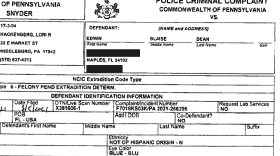 House candidate Edwin Dean says marijuana from 2021 arrest was his cousin’s. Records raise questionsMichigan House candidate Edwin Dean was arrested in Pennsylvania in 2021 after troopers found marijuana, marijuana wax and a grow tent in his vehicle. He later pleaded guilty to drug-related charges.
 -
 Traverse City’s Resilience Night brings the community together with music, food and stories from unhoused neighbors to reduce stigma around homelessness.
 -
 The ceremony takes place at the Grand Traverse 9/11 Memorial Park at 897 Parsons Road in Traverse City. Those attending will gather around the roughly 3000-pound World Trade Center beam for moments of prayer and silence to honor those lost.
 -
 When popular band director John Stanley Ross left Interlochen Arts Academy in 2000, he wrote a letter attributing his departure to personal reasons. Until recently, Ross’s true reason for leaving has been unknown to the public. His story is a part of a larger phenomenon called "pass the harasser."
 -
 State Rep. Betsy Coffia is urging Grand Traverse County Prosecutor Noelle Moeggenberg to accept help from the Michigan Attorney General’s Office investigating past sexual abuse at Interlochen.
 -
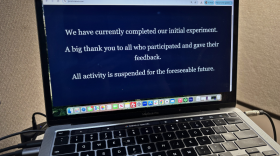 Just months after launching across the U.S., Prism News has shut down its network of more than 200 AI-generated local news and hobby sites — including Prism Grand Traverse County.
 -
 Michigan SNAP cuts are leaving Traverse City seniors with less food assistance, while new federal requirements add confusion and administrative burdens.
 -
 Getting to Capitol Hill might be an uphill climb for Barr. Republican U.S. Rep. Jack Bergman has held the seat for 10 years, and it's been occupied by a Republican since 2011.
 -
 They won't elaborate on their plans or say how many signatures they did collect in their effort to remove Prosecuting Attorney Noelle Moeggenberg from office.


