-
 A document obtained by IPR shows Antrim County Clerk Victoria Bishop made more than a hundred unauthorized changes to the Qualified Voter File, including canceling 58 voter registrations.
 -
 A new federal lawsuit alleges Interlochen Center for the Arts failed to protect a 14-year-old student from alleged sexual harassment and assault by other students and a teacher during the 2024-25 school year. Interlochen denies the allegations.
 -
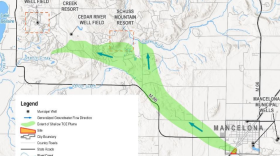 State and local leaders have monitored the contamination from industrial chemicals for more than 20 years. More funding is needed, officials said last week, to provide connections to public drinking water.
 -
 Six of 33 people treated for contamination have been hospitalized at Munson Medical Center after the plane crash landed in Grand Traverse County Thursday.
 -
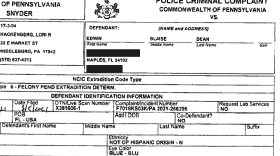 House candidate Edwin Dean says marijuana from 2021 arrest was his cousin’s. Records raise questionsMichigan House candidate Edwin Dean was arrested in Pennsylvania in 2021 after troopers found marijuana, marijuana wax and a grow tent in his vehicle. He later pleaded guilty to drug-related charges.
 -
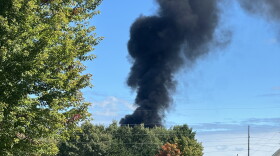 Residents heard ‘several explosions’ and saw smoke billowing as a military plane crashed near the intersection of County Road 633 and Jeffrey Place. The pilot self-ejected and was taken to Munson Medical Center.
 -
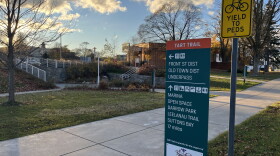 A new millage to support county trails will be on the ballot. Plus, the conservation district and Bay Area Transit Authority are up for a millage renewal.
 -
 The northernmost monitoring station in the Lower Peninsula is in Frankfort. Experts say some residents can’t really know what the air quality is in their area. And there are big gaps in northern Michigan.
 -
 Traverse City’s Resilience Night brings the community together with music, food and stories from unhoused neighbors to reduce stigma around homelessness.
 -
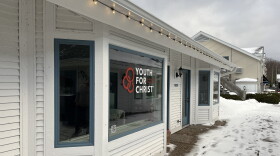 The group Youth for Christ is suing northern Michigan's Leland Township in federal court over restrictions on holding a youth ministry in a building overlooking the iconic Fishtown harbor.

© 2026 Interlochen
CLASSICAL IPR | 88.7 FM Interlochen | 94.7 FM Traverse City | 88.5 FM Mackinaw City
IPR NEWS | 91.5 FM Traverse City | 90.1 FM Harbor Springs/Petoskey | 89.7 FM Manistee/Ludington
Play Live Radio
Next Up:
0:00
0:00
Available On Air Stations


