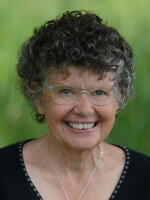
I loved the poetry of Mary Oliver long before I discovered that she had attended summer camp at Interlochen.
This was long before Interlochen had a Creative Writing program. She played percussion in the high school orchestra. Still, I like to imagine that her summer under the stately pines helped foster her lifelong love of nature.
Who knows? Perhaps she first saw a great blue heron at Interlochen.
These magnificent birds are familiar sights around Michigan's lakes and wetlands during summer. And a few are still here.
In A Poem for the Blue Heron, Oliver writes:
“Now the blue heron wades the cold ponds of November.”
November presents challenges. As water temperatures fall, fish become less active, and once ice forms, herons may lose access to their feeding grounds.
Unlike many migratory songbirds, great blue herons are partial migrants. Some fly south; others remain wherever open water provides sufficient food.
But staying is risky. A sudden freeze can turn a productive feeding ground into an icy barrier.
The heron must leave—or find a way to survive.
And this is what I love about Mary Oliver. She sees a bird standing in a cold November pond and recognizes something about the human condition.
She writes:
“Not everything is possible; some things are impossible.”
We, too, experience Novembers in our lives—seasons when familiar possibilities disappear and we face decisions we would rather not make.
We cannot prevent winter from arriving. Nor can we always choose the circumstances in which we find ourselves.
But we can choose how we respond.
And perhaps that is Oliver's message: When the world grows cold and our choices become limited, we must find our own ways to keep the fires of life burning.